Project Overview
How do you design a VR experience immersive enough that users temporarily forget their physical surroundings? This project builds a fear-based experience to find out — through UX research, iterative design, and user testing.
Designing emotionally immersive VR environments through research-driven UX methodology—from user interviews to tested experience
How do you design a VR experience immersive enough that users temporarily forget their physical surroundings? This project builds a fear-based experience to find out — through UX research, iterative design, and user testing.
Create a VR experience that induces such strong emotional immersion that users temporarily disconnect from physical reality — a state where the mind fully engages with the virtual while the body is momentarily "forgotten."
Design an experience that creates measurable mind-body disconnection through controlled emotional intensity
What environmental, interaction, and sensory elements are necessary to achieve this level of presence?
Use fear of heights as the emotional trigger, validated through user research and cultural understanding
Designing for heightened emotional states in VR has practical applications across multiple domains:
A comprehensive UX approach combining research, design, development, and validation
Before designing, I needed to understand what creates immersion and what makes people feel disconnected from reality — so I approached it from multiple angles.
The target state: moments when emotional or sensory intensity causes the mind to become so absorbed that physical awareness fades. This happens naturally during:
Before primary research, I looked at how popular media portrays mind-body separation. Billions of dollars in box office revenue suggests audiences worldwide already grasp this concept intuitively.
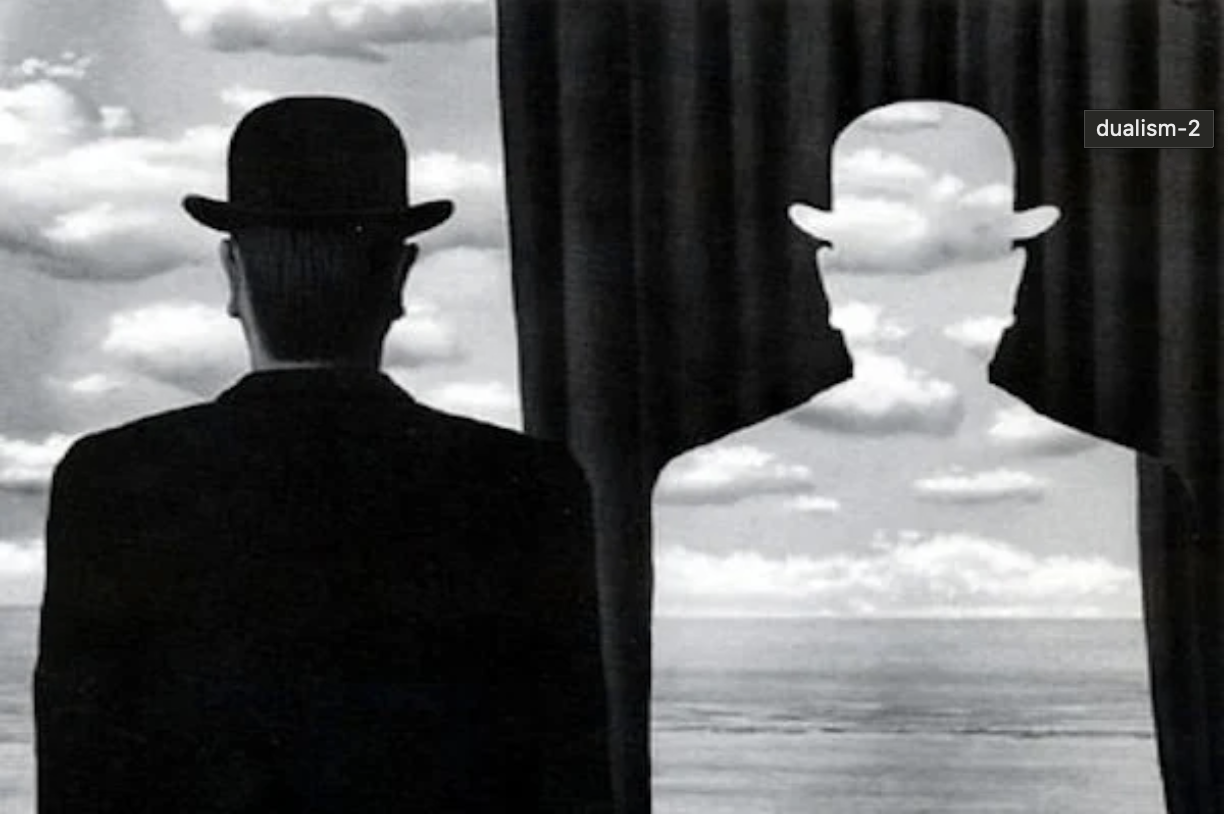
Humans live entire lives in a simulated reality while their bodies stay dormant — the mind exists independently from the body
Identity survives a transfer into an entirely different physical body — proof that self is tied to consciousness, not form
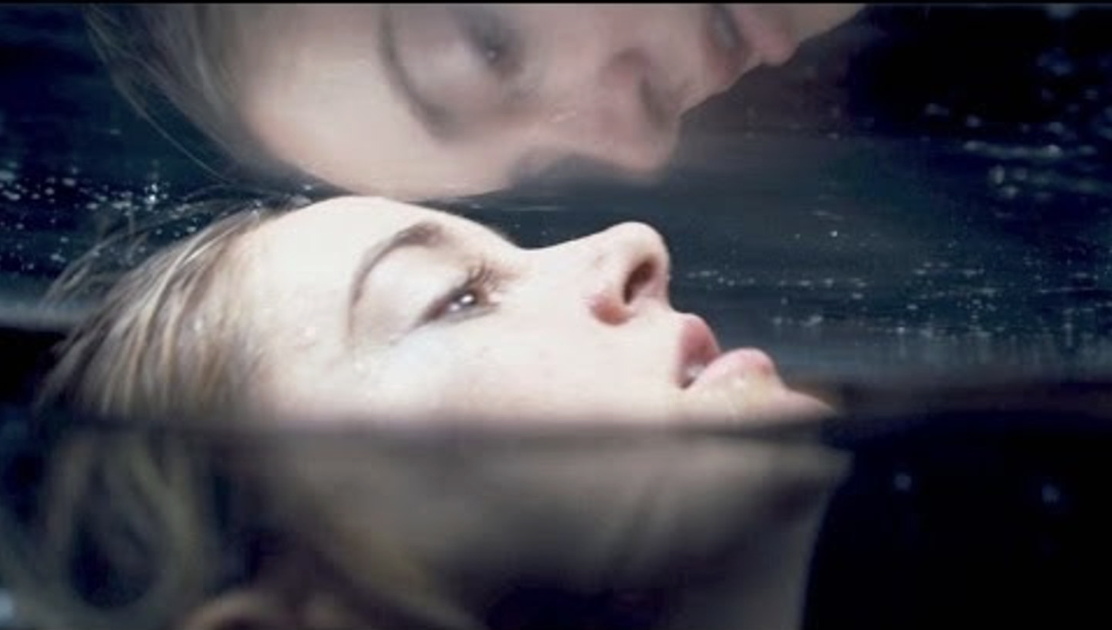
Fear simulations immersive enough that characters forget their physical reality mid-experience
These films' combined $4+ billion box office validates that the concept resonates globally — meaning I could design for an experience users would conceptually grasp, even without having personally lived it.
Ran semi-structured interviews with 8 participants to understand what creates immersive VR experiences and what triggers strong emotional responses.
High-quality graphics were consistently essential — users disengage the moment visuals feel artificial.
Strong emotions — fear, awe, excitement — make users forget their surroundings; intensity tracks directly with presence.
Moving users without their input increased immersion by closing the cognitive gap between virtual and real.
Vertical space consistently triggered physical sensations, even in users who knew they were safe.
Spatial audio matched precisely to visuals was essential — any mismatch broke immersion instantly.
Users trusted realistic recreations of real places over fantastical environments.
Synthesized research findings into concrete, actionable design specifications
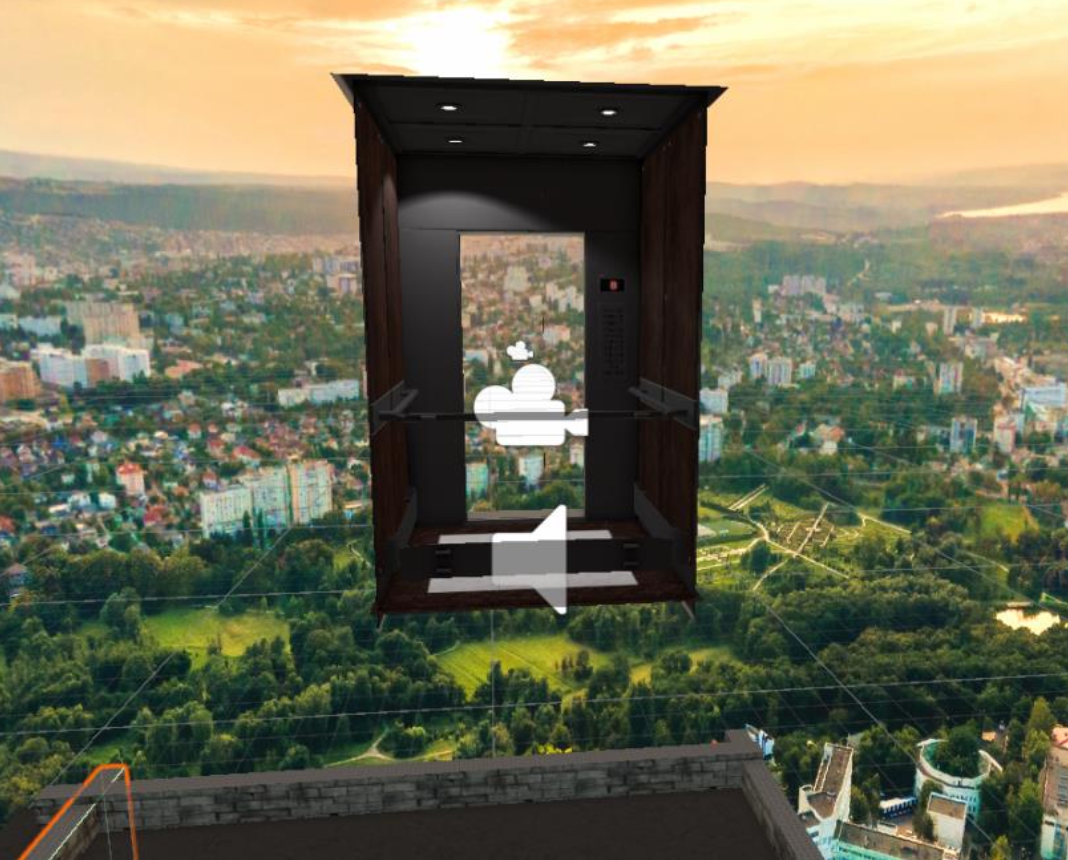
An elevator experience that leverages three research-validated triggers — fear of heights, spatial contrast, and autonomous control — building emotional intensity across four choreographed phases.
An elevator scenario is the perfect framework: it's familiar (low cognitive load), naturally involves vertical movement (the height trigger), and allows for dramatic spatial reveals. The confined-to-open transition maximizes emotional impact through contrast.
User sits in a dimly lit elevator. The familiar, enclosed space establishes a "real" baseline before any virtual elements appear.
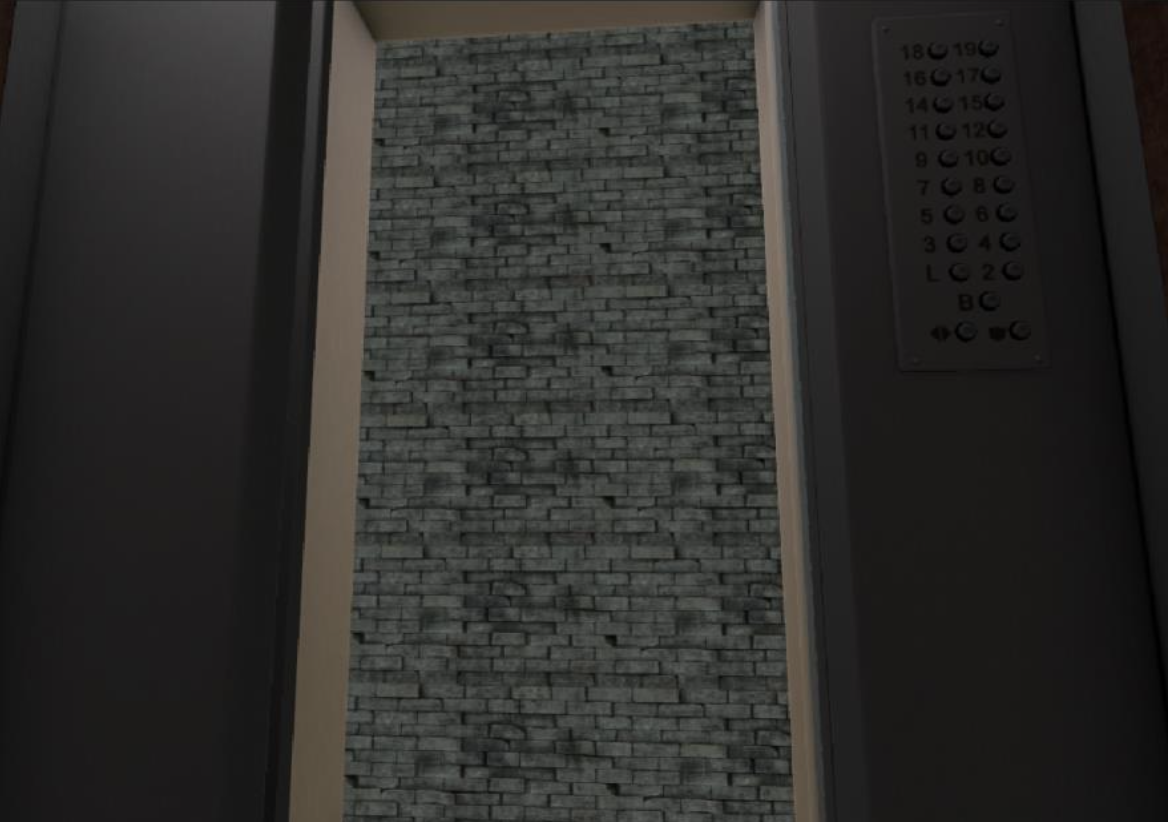
Slow upward movement with mechanical sounds. Moving brick walls give elevation cues through motion parallax without revealing the destination.
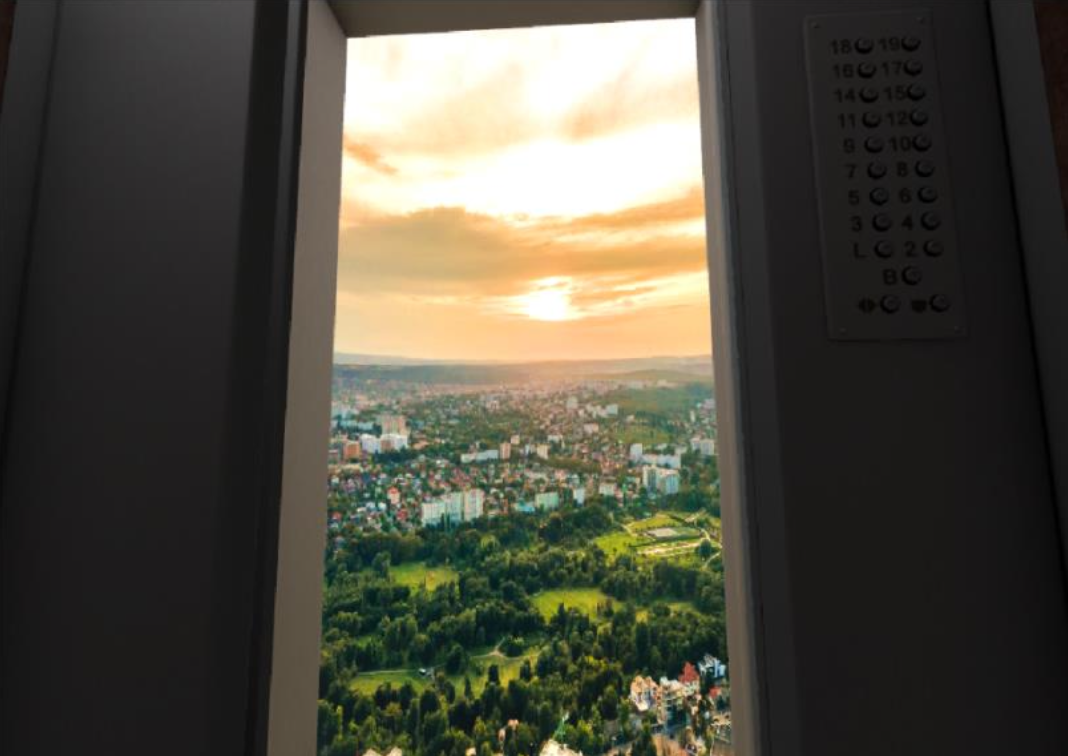
Doors open onto a 360-degree cityscape from extreme height. The sudden shift from confined (safe) to infinite (exposed) is the peak emotional moment.
The camera autonomously moves into open air without user input, creating an out-of-body sensation as the system takes over at peak fear.
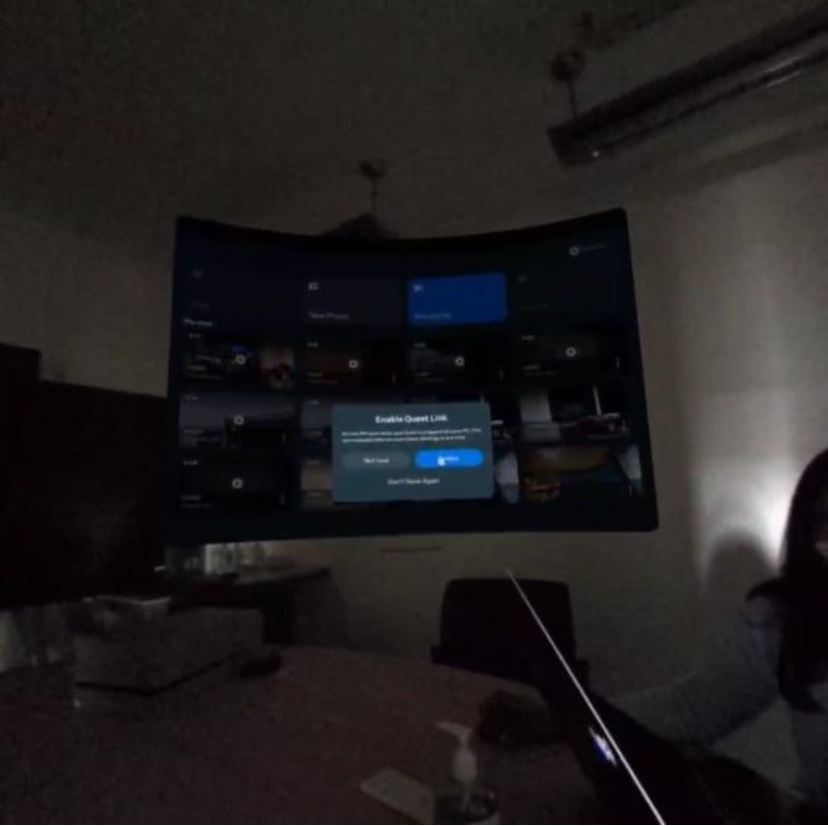
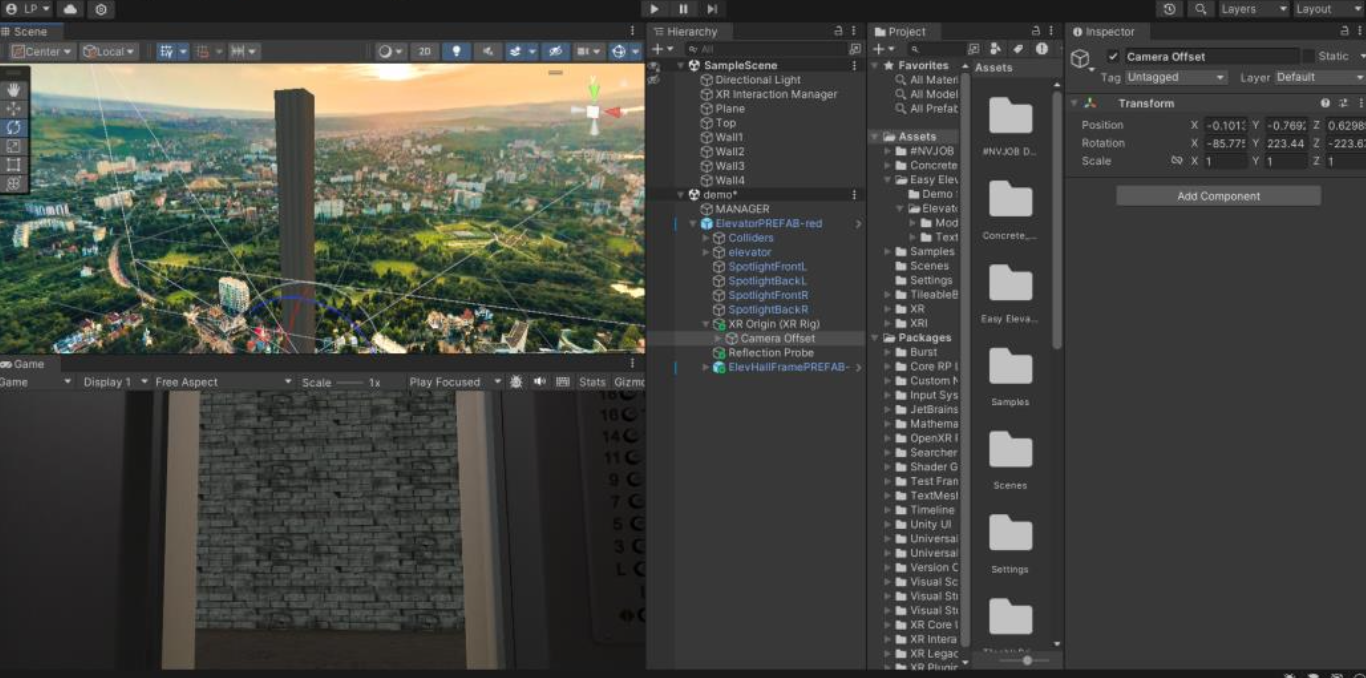
Unity development environment showing 3D scene construction, camera paths, and material setup
Built from scratch in Unity and C#. As a designer new to VR development, I taught myself the technical skills needed to prototype and iterate quickly.
Chosen for robust VR support and fast prototyping — enabling the quick iteration cycles that user testing demanded.
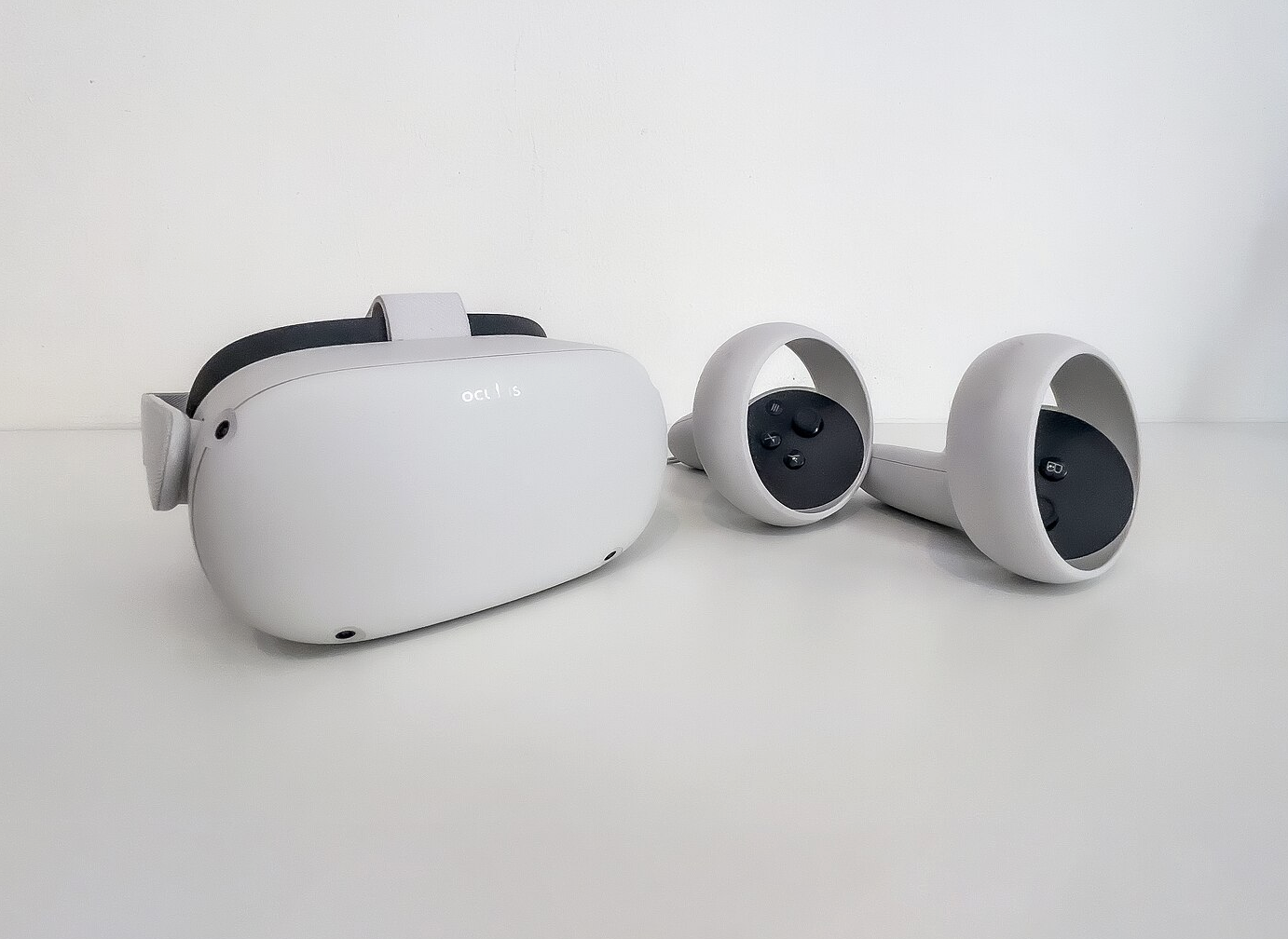
Selected for its 2160×2160 per-eye resolution, critical for visual realism, and wireless freedom for natural movement.
Smooth autonomous camera paths, built with Unity's animation curves and tuned to prevent motion sickness without losing emotional impact.
Lighting shifts from warm, enclosed elevator light to cold, harsh exterior — reinforcing the move from safe to vulnerable.
Mechanical, ambient, and silent moments layered and synced precisely with the visuals to avoid any immersion-breaking mismatch.
Ran pilot testing, then a refined final round. Each round surfaced insights that reshaped the experience.
Tested the refined experience with 5 participants. Results validated the design decisions and research hypotheses.
The fear response worked exactly as designed, confirming that emotion drives immersion
Users temporarily forgot they were sitting in a real chair, validating the mind-body disconnection goal
Autonomous camera movement increased rather than decreased immersion, confirming the counterintuitive finding
Distilled into a research-validated, user-tested framework for designing emotionally immersive VR experiences.
This framework applies wherever emotional VR experiences matter
Controlled exposure therapy for phobias, PTSD treatment, and anxiety management, using validated emotional triggers and safety protocols
High-stress training environments — firefighters, pilots, emergency responders — that feel authentic and prepare trainees for real intensity
Horror and thriller experiences that maximize emotional engagement while keeping users safe and comfortable
Immersive learning experiences that create memorable emotional anchors for better retention and engagement
External control increasing immersion was counterintuitive — without research, I'd have assumed users need constant control, and the design would have failed.
Pilot testing revealed flaws invisible on paper — the tunnel view looked fine but failed completely in practice. Testing saved the project.
Learning Unity meant I could implement my own ideas directly, making every iteration cycle faster.
Documenting the principles lets other designers apply these insights to their own projects, multiplying the research's value.
This project taught me that great UX comes from rigorous methodology — research, synthesis into requirements, iterative design, and validation through testing. Pairing qualitative research with technical implementation (Unity, C#) made it possible to build evidence-based experiences that actually work.
Most importantly, users will surprise you. The external control insight, the weight of texture quality, the power of spatial contrast — none of it was obvious before research. Trusting the process over assumptions made all the difference.